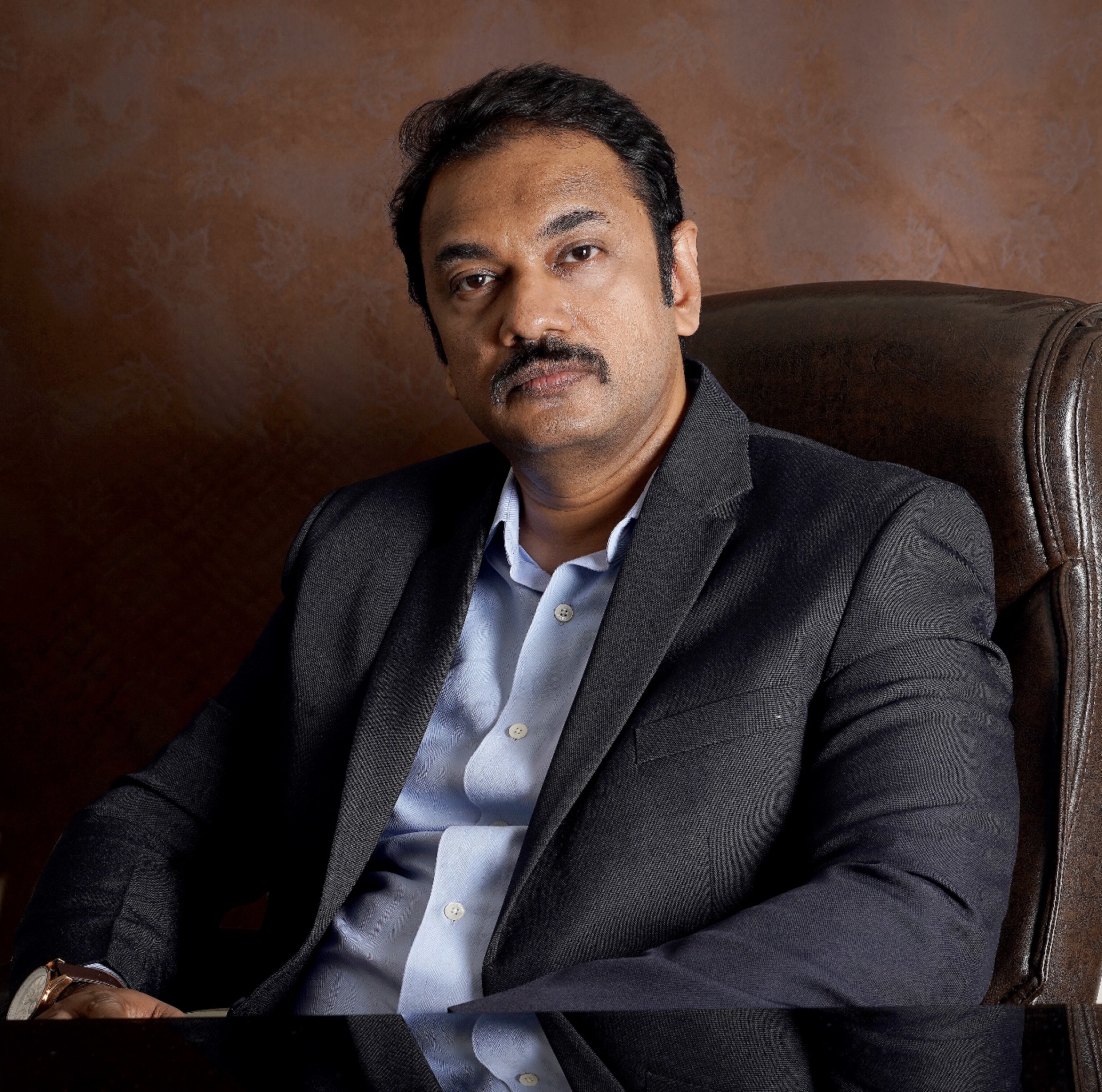
An exclusive interview with Dr. George Panicker, Founder & CEO, International STEAM Research (ISR)
Q: Dr. Panicker, you’ve been widely recognized for transforming how schools approach learning. Let’s begin with the core of your work. What exactly is ISR’s Theory of Change, and why has it become so influential?
A: The Theory of Change is the heartbeat of ISR. It’s not a document, it’s a living, breathing philosophy that guides every decision we make. At its core, it answers one fundamental question: How do we ensure that every learning experience leads to meaningful, measurable, future‑ready outcomes for every child?
Traditional education often focuses on content delivery and summative exams. But the world our children are entering demands agility, adaptability, creativity, and problem‑solving. ISR’s Theory of Change creates a structured pathway, from inputs to activities, from outcomes to long‑term impact, ensuring that students don’t just learn, but become capable, confident, and future‑ready human beings.
The Theory of Change helps schools operationalize NEP’s Experiential Learning in the most authentic way possible.
Q: You mentioned NEP. How does ISR help schools translate policy into practice?
A: The National Education Policy 2020 is visionary. It calls for experiential learning, competency‑based assessments, multidisciplinary thinking, and holistic development. But many schools struggle with the “how.” ISR bridges that gap.
We provide schools with Competency‑based learning frameworks, Hands‑on STEAM projects, Diagnostic tools for learning behaviours, Teacher capacity‑building programs, Integration of robotics, AI, IoT, and coding, Reflective formative 360 assessments.
We don’t just tell schools what to do, we walk with them step by step, helping them transform classrooms into ecosystems of innovation. NEP 2020 becomes real when students start asking questions, building prototypes, solving real problems, and connecting learning to life.
Q: The pandemic disrupted learning globally. How did ISR respond to the post‑COVID challenges students faced?
A: COVID‑19 was a wake‑up call. Students were struggling with attention, anxiety, ADHD‑related challenges, and emotional fatigue. The old model of passive learning simply collapsed. ISR responded with what I call therapeutic education, hands‑on, tactile, emotionally grounding learning experiences.
When students build, design, code, create, and collaborate, something magical happens. Their focus improves, Their emotional regulation strengthens, Their curiosity reignites, Their confidence returns, Their cognitive stamina rebuilds.
We saw children who couldn’t sit through a 20‑minute online class suddenly spending a good amount of time building a robot or solving a design challenge. That’s the power of learning by doing. It heals, it engages, and it transforms.
Q: Many educators say ISR has helped students become more agile and adaptable. How does this transformation actually happen?
A: Agility and adaptability are not taught, they are cultivated. ISR’s approach immerses students in real‑world problem‑solving. They learn to, Think critically, Collaborate effectively, Iterate and improve, Embrace failure as feedback, Use technology as a tool, not a crutch.
When a child builds a prototype, tests it, fails, and tries again, they are developing resilience. When they work in teams, they learn empathy and communication. When they solve open‑ended problems, they learn creativity and systems thinking.
These are not academic skills, they are life skills. And they stay with the child forever.
Q: How do you measure the impact of such a holistic approach?
A: Measurement is essential. Without it, transformation becomes guesswork.
ISR uses its Intellectual Property Outcome Framework called CRM XP360 which includes Quantitative and Qualitative Metrics to measure Engagement levels, Project completion scores, Competency rubrics, Academic improvement, Attendance and participation, Qualitative Metrics, Student reflections, Facilitator observations, Peer feedback, Behavioural changes and Creativity indicators. This gives schools a 360‑degree view of each child’s growth, not just academically, but emotionally, socially, and cognitively.
Q: What role do futuristic technologies play in ISR’s model?
A: Technology is not the goal, it’s the enabler. We integrate Robotics, Artificial Intelligence, Coding, IoT, 3D printing, Data literacy and all regular classroom subjects,
but always in the context of solving real problems. Students don’t learn coding to pass an exam, they learn coding to build solutions. They don’t learn robotics as a hobby, they use robotics to understand systems, logic, and innovation. This is how we prepare them for a world where technology is woven into every aspect of life.
Q: Finally, Dr. Panicker, what is your message to school leaders and educators across the country?
A: My message is simple, The future will not wait. We cannot prepare children for yesterday’s world. We must equip them for a world that is evolving at lightning speed. And that requires courage to rethink, redesign, and reimagine education. When schools adopt a clear Theory of Change, when they embrace sustainable and affordable hands‑on learning, when they prioritize competencies over content, when they integrate technology meaningfully, they don’t just improve learning outcomes. They transform lives. Every child has the potential to be an innovator, a problem solver, a leader. Our job is to create the ecosystem together with our partner schools that allows that potential to flourish. And at ISR, we are committed to walking this journey with every school that dares to dream big.