
Hunger has shaped human behaviour long before it shaped stories. It influences choices, instincts, and silences that society is quick to label but slow to understand. When hunger enters a child’s life, it does not arrive as an episode it becomes a condition. One that the world often mistakes for misconduct.
Petu, an upcoming film by Vision Media, brings this uncomfortable truth into focus with restraint and emotional clarity. Adapted from the renowned one-act play by the late Pranabandhu Kar, the film carries forward a literary voice that believed realism was not an aesthetic choice, but a responsibility.
The narrative does not dramatise deprivation, nor does it seek sympathy through spectacle. Instead, it reflects how systems of discipline, morality, and order are often designed without accounting for survival. In spaces where rules exist to maintain structure, those struggling to survive are frequently seen as disruptions rather than individuals shaped by circumstance.
Petu places childhood at the centre of this tension. It captures innocence without idealising it and resilience without glorifying struggle.
The film quietly exposes how adult perspectives however well-intentioned can fail to recognise the emotional realities of children living on the margins. It is in this gap between intention and understanding that conflict takes root.
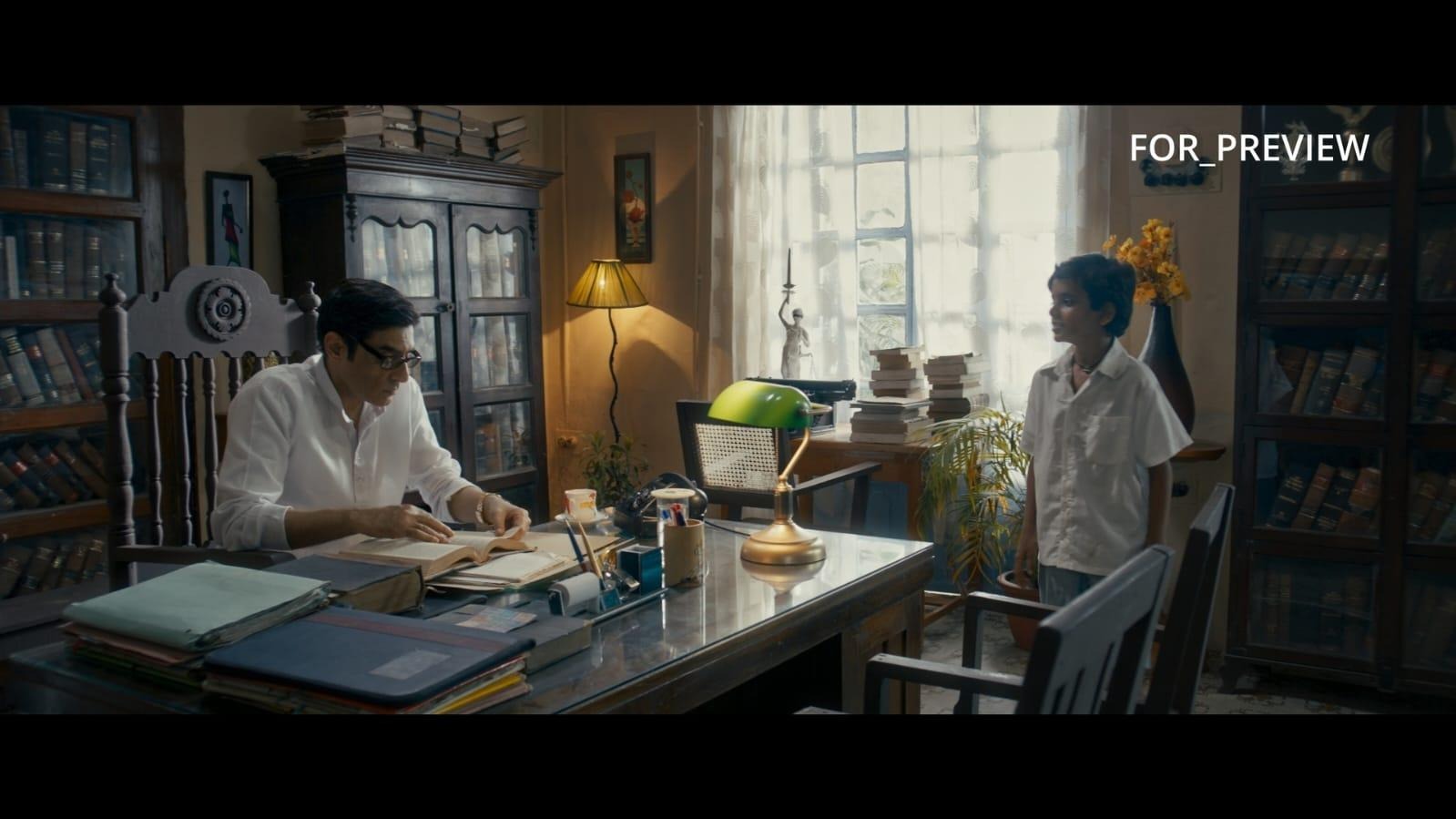
Vision Media’s adaptation honours the original work of Pranabandhu Kar by preserving its emotional honesty and social relevance.
Known for its commitment to grounded storytelling, the production house approaches Petu not as content, but as commentary cinema that reflects lived realities rather than convenient narratives.
The film stands as a reflection on how society decides what is acceptable, who deserves patience, and when empathy is extended or withheld. It reminds us that compassion often arrives late, only after absence makes its presence felt.
As Petu prepares for release, it enters the cultural space as more than a film.
It arrives as a conversation one that urges audiences to reconsider how hunger, childhood, and judgment intersect, and why some stories demand to be told with care and accountability.