MUMBAI, INDIA – In the age of hyper-connectivity, a silent epidemic is isolating millions of Indians. It isn’t a virus, and it isn’t a lack of technology. It is the invisible, suffocating weight of unsecured debt. As the festive season approaches and families gather for reunions, a growing number of individuals are physically present but emotionally absent—distracted by the vibration of a phone in their pocket, dreading the next recovery call.
For the past two decades, the fintech narrative in India has focused on access to credit. We celebrated the speed of disbursement and the digitization of lending. But as a financial analyst watching the retail credit boom—where unsecured personal loans have grown by over 23% year-on-year, paired with a stark 28% jump in credit card defaults and rising retail slippages—it is time to talk about the other side of the coin: The Debt Trap.
The Invisible Wall in the Living Room
Debt is often treated as a mathematical problem, defined by interest rates and EMIs. However, sociologically, debt is a profound isolator. A 2024 consumer study indicated that 68% of individuals facing financial distress admit to avoiding social gatherings due to shame, while over 40% report “financial infidelity”—hiding the extent of their debt from spouses and parents.
“We often see clients who have stopped visiting their hometowns or avoid family dinners because they are terrified a recovery agent might show up, or they simply can’t afford the travel,” says a senior strategist at Settle My Loan (SML), India’s leading debt settlement company. “They wear a mask of normalcy, but behind the scenes, they are drowning. Breaking the debt chain isn’t just about balancing a ledger; it is about tearing down the wall that separates them from their loved ones.”
Debt Settlement: The Strategic Correction
This is where the concept of Debt Settlement—specifically structured legal debt relief—emerges not as a “last resort” of failure, but as a strategic financial correction.
Unlike loan consolidation, which often just moves debt around with a caveat of more loans or higher interest rate traps, debt settlement involves negotiating with creditors to close a loan account for a reduced lump sum—often 40-70% lower than the outstanding amount—based on genuine financial hardship. It is a provision utilized globally and recognized under RBI guidelines for One-Time Settlements (OTS).
The “45 Days Settlement Challenge“: A New Approach to Freedom
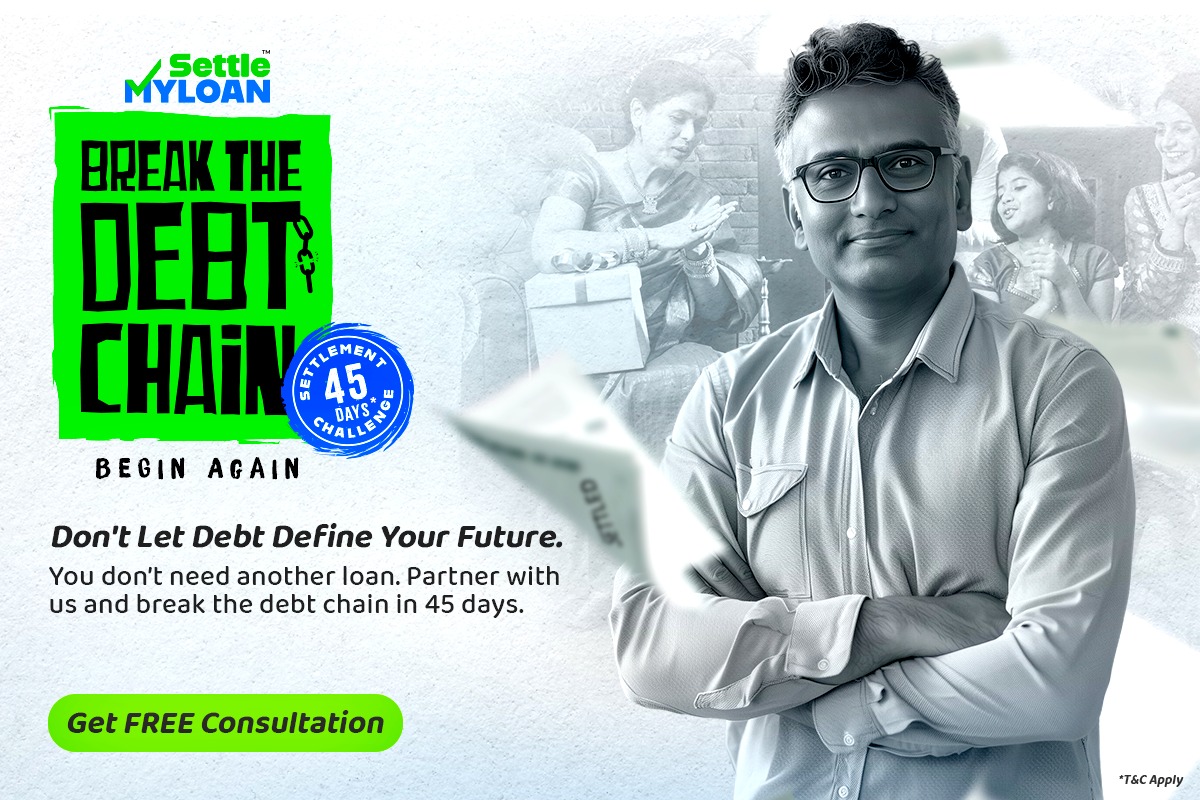
Leading the charge in organizing this sector is Settle My Loan’s new initiative: The 45 Days Settlement Challenge.
The model addresses the three biggest barriers to reconnection: Harassment, Time, and Legal Complications.
The Anti-Harassment Shield: By appointing SML as legal representatives, borrowers can redirect recovery calls to SML’s in-house legal team. This immediate cessation of harassment is the critical first step in allowing a debtor to be mentally present with their family again.
The Accelerated Timeline: The “45 Days Settlement Challenge” framework focuses on aggressive, data-backed negotiation to secure a settlement letter swiftly, allowing individuals to enter the New Year with a clean slate.
The Legal Firewall. Beyond harassment, the fear of legal repercussions—such as arbitration notices or Section 138 cases—paralyzes borrowers. SML’s legal team intercepts and manages these complexities, representing the client in dispute resolutions and ensuring they are not intimidated by legal jargon.
Begin Again: The Human ROI
Financial dignity is the foundation of social connection. When a borrower settles a debt, they aren’t just saving money on interest and penalties. They are reclaiming their sleep, their confidence, and their ability to look their children in the eye without fear.
As we move into 2026, the conversation is shifting. The hallmark of a mature financial ecosystem isn’t just how easily it lends money, but how compassionately and efficiently it helps people resolve it.
“The best gift you can give your family isn’t an expensive gadget bought on EMI that you can’t afford,” the SML spokesperson adds- “It is your undivided presence. It is a father who is truly free. It is the ability to begin again.”
For those trapped in the cycle of minimum payments and maximum stress, the message is clear: The door to the family reunion is open in 2026. You just need to break the debt chain to walk through it.
Settle My Loan is India’s trusted debt settlement platform, helping thousands of borrowers legally settle unsecured loans and credit card debts. With a focus on legal protection, financial literacy, and transparent negotiation, Settle My Loan empowers Indians to regain their financial stability and dignity.
Rizwan Shaikh